
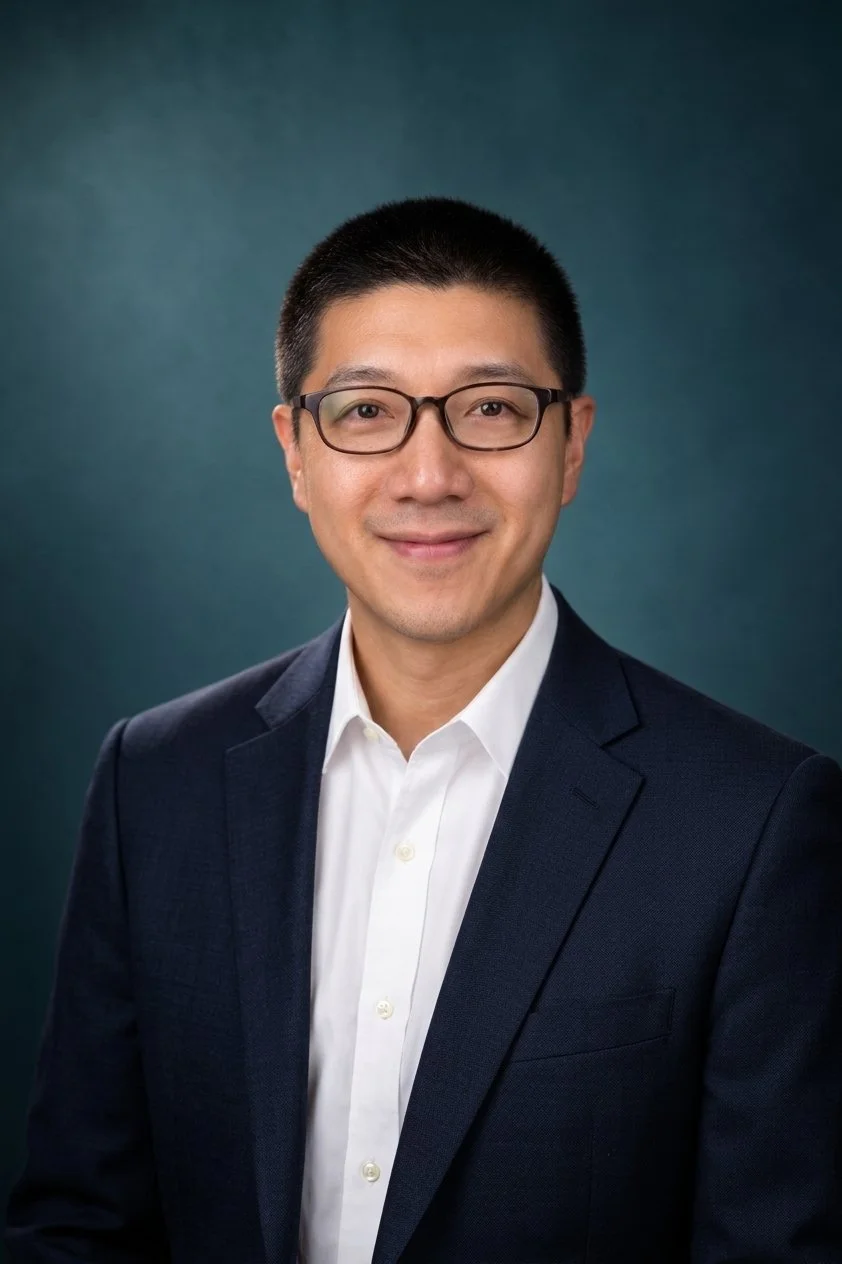
C. Savio Chan, Ph.D.
X | Pubmed | GoogleScholar | ORCID
Principal Investigator & Associate Professor of Neuroscience
Deciphering basal ganglia circuits to drive therapeutics for neurodegenerative diseases.
-
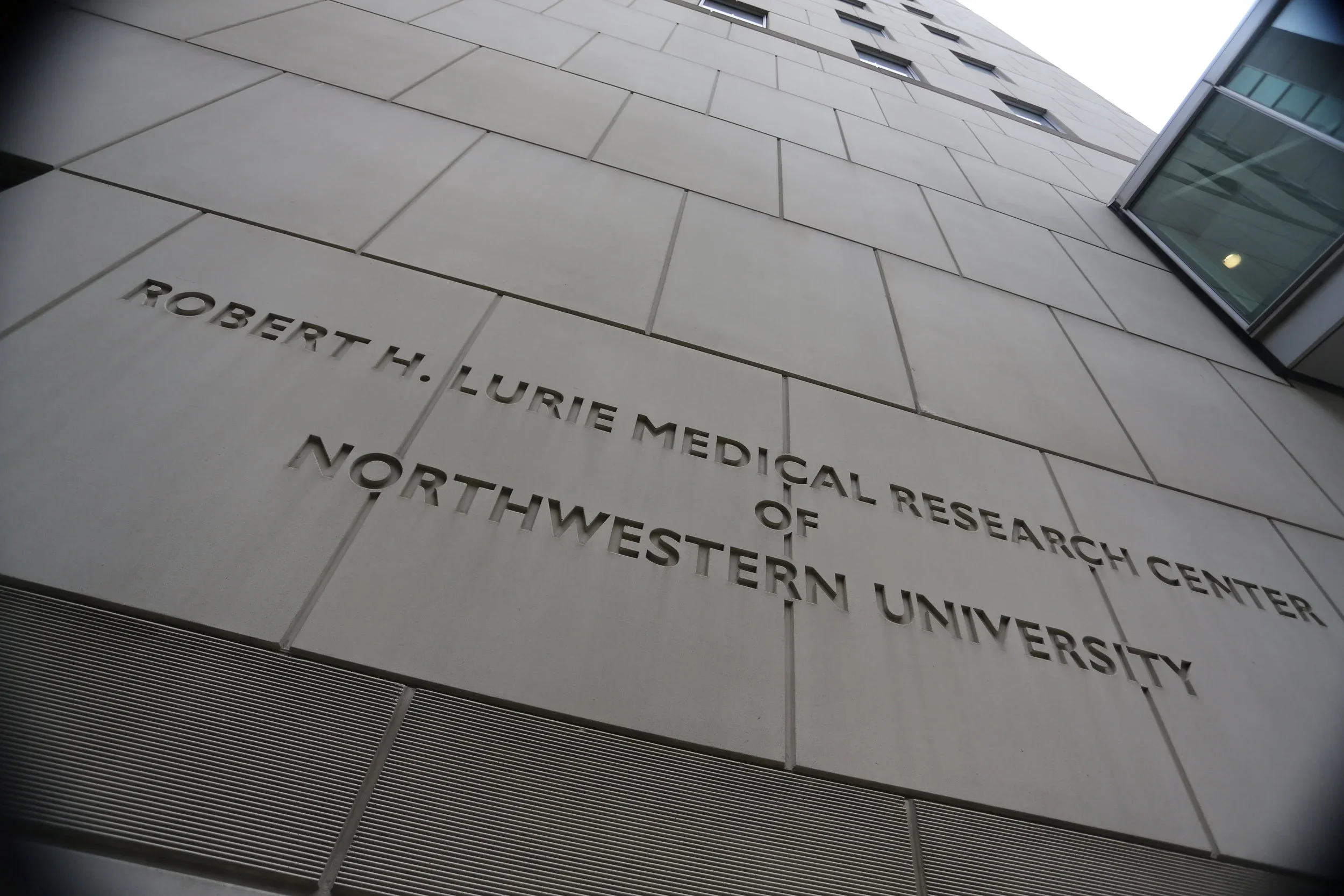
The Chan Lab was established in 2012 by Dr. C. Savio Chan at the Feinberg School of Medicine, Northwestern University, where he serves as an Associate Professor in the Department of Neuroscience. The broad goal of the laboratory is to identify the molecular entities and circuit elements involved in the pathogenesis of neurodegenerative diseases, including Parkinson’s disease, Huntington’s disease, and dystonia. By providing an improved framework for understanding these conditions at the molecular, circuit, and systems levels, the lab aims to catalyze the development of novel treatments.
-
Our laboratory focuses on the external globus pallidus (GPe) and a principal architect of our modern understanding of this basal ganglia nucleus. The laboratory has been central to the field's reclassification of GPe cell types, most notably through the production of the Npas1-Cre-tdTomato transgenic mouse line and the characterization of an extensive suite of genetic driver and reporter tools.
Using these genetic tools, the group has systematically mapped GPe neuron subtypes and diversity by integrating approaches that span interconnected scales:
Micro-scale: molecular markers and cell specifications
Meso-scale:ex vivo electrophysiology and circuit organization
Macro-scale:in vivo photometry and behavioral studies
-
Our work has unveiled the intricate cell and circuit complexity of the GPe, including its widespread interconnectivity and multifaceted roles beyond the basal ganglia. These contributions are synthesized in key reviews authored by Dr. Chan (see publications):
2026 Trends Open on next-generation GPe taxonomy
2023 Nature Neuroscience on GPe complexity
2023 Trends in Neurosciences on GPe non-motor functions
-
Groundbreaking science stems from hard work, structured design, and deep human creativity. While research can occasionally require long hours, I prioritize high focus and mental well-being over raw physical time spent in the lab.
-
Impact Over Desk Time: Trainees are evaluated by substantive impact, analytical rigor, resourcefulness in troubleshooting, and the honest, resilient handling of setbacks—not hours logged.
People-First Mentorship: We treat team members as people first and trainees second..
Career-Long Support: I offer active listening, long-term advocacy, and psychological safety throughout your entire career trajectory.
-
Absolute Flat Hierarchy: We operate with a completely flat hierarchy during scientific discussions. Intellectual authority is determined entirely by empirical evidence, never by title or seniority.
Constructive Debate: Trainees are expected to offer constructive pushback, challenge assumptions, and engage in active intellectual debate.
Lab Citizenship: Every lab member is expected to be a responsible lab citizen—keeping shared spaces clean, sharing expertise, and treating every colleague as a future faculty peer.
-
Core Collaboration Hours: While physical hours are not monitored, we maintain consistent weekday schedules centered around core collaboration hours.
Digital Boundaries: Beyond core hours and weekends, digital communication is completely optional. Trainees are strongly encouraged to disconnect to stay happy, motivated, and creative.
Open Science & Transparency: Data integrity is absolute, code is shared transparently, and failures are treated as celebrated opportunities for character-building and growth.
-
Groundbreaking science relies on exceptional, curious minds. Whether you are looking to pursue graduate research, a postdoctoral fellowship, or a technical role, we welcome inquiries from researchers eager to decode basal ganglia circuits.
The Chan Lab seeks passionate, curious, and self-driven scientists to join our team.